How Blogging Benefits Business Coaches: Get Discovered And Find New Clients With SEO + Examples
Why does every well-known, successful business coach have a blog section on their website? Because their blog is their clients source.
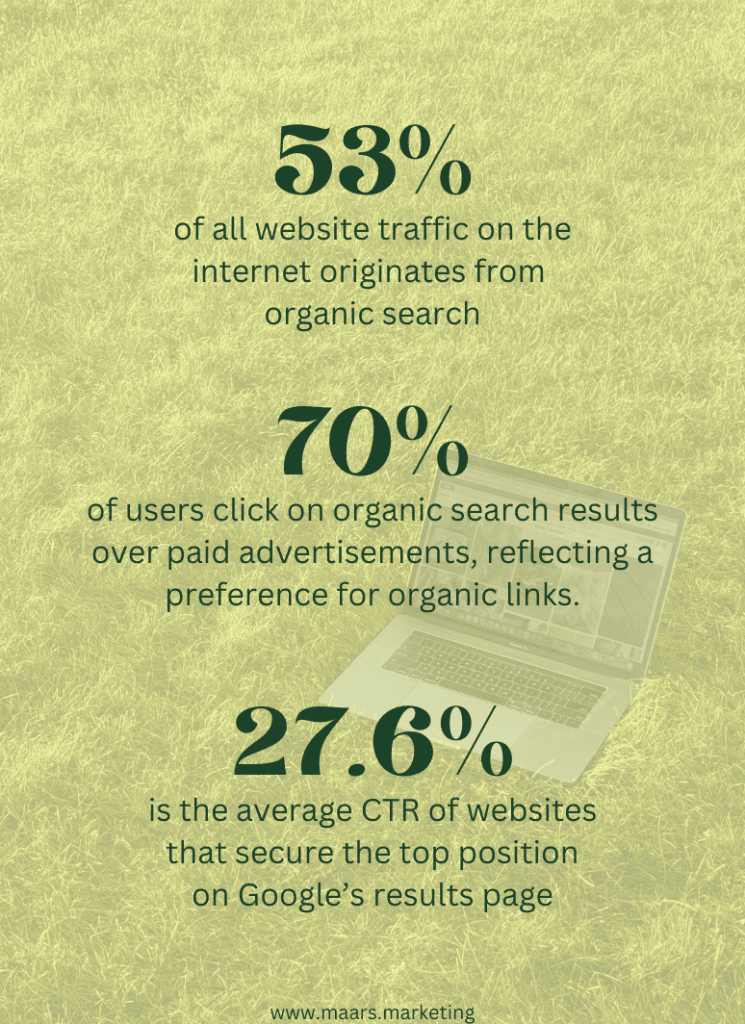
That “How to land your first 100 clients as a new business owner” article written by your most admired business coach is actually a lead generator. That is because when content is optimised for SEO (Search Engine Optimisation), it shows up at the top of Google’s results page and matches the search queries of your next clients. The person who is Googling “How to land my first 100 clients” will land on the business coach’s website and become a new lead.
Let’s dive into it in this article that explains how writing blog posts benefits business coaches, helping them get discovered and landing new clients (with minimal upkeep!).
Why do you need a blog?
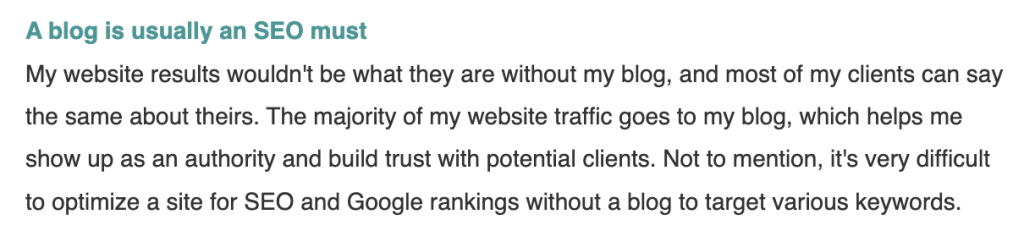
Blogging has become an essential marketing tool for business coaches looking to establish authority, attract clients, and grow their personal brands. A well-maintained blog can provide value to potential clients, improve search engine rankings, and drive organic traffic to a coaching website. This article explores the benefits of blogging for business coaches, its role in search engine optimisation (SEO), and how to leverage keyword research to maximise its impact.
What is Blogging and Why Do Business Coaches Use It?
Blogging involves regularly publishing articles on a website to share insights, advice, and expertise. For business coaches, blogging serves as a powerful platform to connect with their target audience, demonstrate their knowledge, and offer solutions to common challenges faced by professionals and entrepreneurs.
Reasons Business Coaches Use Blogging:
- Showcasing Expertise – Sharing knowledge through blog posts helps business coaches position themselves as thought leaders in their industry.
- Building Trust and Credibility – High-quality content can reassure potential clients of a coach’s abilities and experience.
- Generating Leads and Clients – Informative and engaging blog posts can attract prospects and encourage them to sign up for coaching services.
- Enhancing Online Visibility – Blogging improves a website’s ranking on search engines, making it easier for potential clients to discover the coach.
- Engaging with Your Audience – A blog allows for interaction with readers through social media shares and comments, building relationships with potential clients.
The Link Between Blogging, SEO, and Long-Tail Keywords
Search engine optimisation (SEO) is crucial for business coaches who want their blogs to reach the right audience. SEO is the process of optimising content so that search engines rank it higher in search results. A key aspect of SEO is the use of keywords (also known as search terms, as keywords are essentially the terms that a user types into Google’s search bar) and, more specifically, long-tail keywords.
What Are Long-Tail Keywords?
Long-tail keywords are specific phrases that users type into search engines when looking for detailed answers. For example:
- “How to attract high-paying clients as a new business owner”
- “Best leadership skills development courses for startup CEOs”
- “How to prepare to communicate a layoff for tech startup”
These more specific keywords tend to have lower competition and higher conversion rates because they reflect the exact queries potential clients are searching for.
Check out this article to Find More Coaching Clients with SEO Keywords.

How to Find Long-Tail Keywords
To effectively use long-tail keywords, business coaches need to conduct keyword research using specialised tools. Some of the best tools for this include:
- SEMrush – Offers detailed keyword analysis, competitive research, and trend tracking.
- Ahrefs – Helps identify high-performing keywords and track competitors’ keyword strategies.
- Ubersuggest – Generates keyword ideas and SEO suggestions for content.
Paid tools like Ahrefs and SEMrush offer in-depth data and analysis, making them invaluable for coaches who want to maximise their blogging efforts.
Free tools to conduct keyword research do exist, but they can only give approximate creative ideas rather than provide data-backed information to create an accurate and effective strategy.

8 Free SEO CHECKLIST for your next blog to rank on Google
Grab my free SEO Checklist here!
The Key Benefits of Blogging for Business Coaches
1. Improved SEO and Increased Organic Traffic
Regularly publishing SEO-optimised content helps business coaches rank higher on Google. Blogs targeting specific keywords make it easier for potential clients to find relevant coaching services.
2. Establishing Authority in the Industry
Writing insightful, well-researched blog posts allows business coaches to position themselves as experts. When people see valuable content, they are more likely to trust and engage with the coach’s services.
3. Building a Loyal Audience
Blogging helps coaches attract and retain an audience by offering useful tips and strategies. Readers who benefit from free content are more likely to invest in paid coaching services.
4. Generating Leads and Conversions
A strategically written blog post can guide readers through a sales funnel, encouraging them to sign up for newsletters, download free resources, or book coaching sessions. For example, here you can grab my free SEO Checklist.
5. Supporting Social Media Marketing
Blog posts provide shareable content that can be promoted on platforms like LinkedIn, Twitter, and Facebook. This increases reach and drives traffic back to the coach’s website.
6. Supporting Email Marketing
A blog can serve as a source of content for email newsletters. Coaches can share new posts with their subscribers, keeping them engaged and nurturing leads.
7. Providing Long-Term Value
Unlike paid ads that stop generating traffic once the budget runs out, or social media posts that are dropped off the algorithm after 24 hours, blog posts continue attracting visitors over time. Evergreen content remains relevant for years with minimal upkeep.
8. Increasing Website Engagement and Reducing Bounce Rates
When visitors find valuable blog content, they are more likely to stay on the website longer and explore other pages thanks to internal linking. This improves engagement metrics (like the time spent on a page), which can positively impact SEO rankings.
9. Attracting Backlinks and Referral Traffic
High-quality blog posts often get shared and linked to by other websites. Backlinks from reputable sources improve domain authority and further boost search rankings.
10. Positioning Business Coaches as Thought Leaders
A well-maintained blog helps coaches gain recognition in their industry. Speaking opportunities, podcast interviews, and guest blogging invitations often come as a result of a strong online presence.
Do I Need to Give Away My Knowledge for Free?
Not necessarily. While offering valuable insights for free can help build trust and attract potential clients, business coaches should find a balance between sharing knowledge and monetising their expertise. Providing free content through blog posts, social media, or lead magnets can demonstrate value and establish credibility. However, in-depth strategies, personalised coaching, and premium resources should be positioned as paid offerings. The key is to offer just enough to showcase expertise while encouraging prospects to invest in full coaching services for deeper transformation and personalised guidance.

Frequently Asked Questions (FAQs)
1. How often should business coaches blog?
Ideally, posting high-quality content at least once a week can help maintain consistency and improve SEO rankings.
2. What topics should business coaches blog about?
Business coaches should focus on topics relevant to their target audience, such as leadership, business growth strategies, mindset development, productivity tips, and industry trends.
3. How can blogging help attract coaching clients?
Blogging helps build trust and credibility, making it easier for potential clients to see the coach as an authority. Optimised blog posts also improve search engine visibility, attracting more visitors who may convert into clients.
4. Do business coaches need to hire a writer for their blog?
While some coaches prefer to write their own content, hiring a professional writer or editor can ensure high-quality, SEO-friendly content that resonates with the audience and saves time. Contact me to start blogging!
5. Can blogging generate passive income for business coaches?
Yes, blogging can generate passive income through monetisation strategies such as affiliate marketing, online courses, e-books, and paid memberships, in addition to attracting paying coaching clients.
Example: SEO-Optimised Blog Title Ideas for Business Coaches
To maximise the benefits of blogging, business coaches should craft compelling, keyword-rich blog titles. Here are some examples:
- “10 Powerful Benefits of Taking Time Off for Business Owners”
- “How Networking Can Help Business Coaches Attract More Clients”
- “The Team Advantage: Why Business Owners Should Plan a Team Day in 2025”
- “Leadership Skills for CEOs: The Key to Long-Term Success”
- “How to Use Your Personal Brand to Establish Your Authority as a Startup CEO”
- “A Step-by-Step Guide to Expanding Your Business to a New Country”
- “Why Social Media is NOT the Best Growth Strategy for Startups”
So, Do Business Coaches Need a Blog?
Blogging is an invaluable tool for business coaches looking to grow their online presence, attract clients, and establish authority in their field. By leveraging SEO techniques and long-tail keywords, coaches can improve their search rankings and reach a highly targeted audience. With the right approach, a well-executed blog can drive consistent traffic, generate leads, and create long-term success.
For business coaches who want to stand out in a competitive market, investing in blogging is one of the most effective strategies. With quality content, proper SEO, and a commitment to providing value, blogging can become a game-changer for any coaching business.

Ilaria Pellegrini is a SEO consultant and blog writer based in London, UK. With 8+ years of brand and digital marketing expertise, since 2023 she started working with wellness and coaching businesses to strengthen their online visibility and increase their chances of discoverability through SEO. https://www.maars.marketing
 maars marketing