
How To SEO-Optimise for Health and Wellness Businesses and Get More Leads
Did you know that 96.55% of web pages get 0 traffic from Google? (source: Tim Soulo, Ahrefs) That’s exciting news for you, since you’re reading this complete guide to SEO for health and wellness businesses.
That means that, while foundational SEO practices are relatively common among SMBs, comprehensive optimisation — including advanced techniques — is less prevalent, indicating that there is massive room for improvement in achieving full SEO potential and grabbing the attention of those who are already searching on Google for what you offer.
In this article, you will find answers to your most pressing questions:
- Who Needs SEO Most?
- How Do You Market Health and Wellness?
- How Is SEO Used in Healthcare?
- How to Do an SEO Check for a Health and Wellness Business?
I also offer more resources on SEO for Wellness companies at the links below:
- 10 Common SEO Mistakes and How To Fix Them
- Why Wellness Companies Need Blogging To Attract New Clients
- How to Bring More Traffic to Your Website (4 Alternatives To Social Media)
Why SEO marketing?
Search Engine Optimisation (SEO) is essential for health and wellness businesses aiming to increase their online visibility, attract more clients, and establish authority in their niche. Whether you run a yoga studio, a nutrition consultancy, or a holistic therapy practice, implementing effective SEO strategies can help potential clients discover your services. With more people turning to search engines to find health-related solutions, having a solid online presence can significantly impact your business growth and credibility.
In this guide, we’ll explore key aspects of SEO for health and wellness businesses and answer some of the most frequently asked questions on the topic. By the end, you’ll have a clear understanding of how to leverage SEO to enhance your digital presence, establish thought leadership and attract more clients.

Who Needs SEO Most?
SEO is crucial for any business that relies on online visibility to attract clients. However, in the health and wellness industry, businesses that can benefit the most from SEO include:
- Wellness coaches and therapists – Many individuals scout for wellness coaching or mental health support online before making a purchase. Having a well-optimised website ensures your services appear in search results when potential clients are looking for guidance and support.
- Yoga and fitness studios – Since most people search for fitness classes online, having strong local SEO can help your studio rank higher in searches like “yoga classes near me” or “best Pilates studio in London.” This makes it easier for new students to find and join your classes.
- Holistic health practitioners – Acupuncturists, naturopaths, herbalists, and other alternative medicine practitioners can increase their bookings through SEO by appearing in searches for their specific services. Optimising content with detailed descriptions of treatments and patient testimonials can enhance credibility.
- Nutritionists and dietitians – People searching for diet and health solutions often research online before choosing a nutrition professional. Using SEO, you can rank for terms like “best dietitian for weight loss” and attract potential clients looking for dietary advice and meal plans.
- Health product e-commerce stores – If you sell organic supplements, skincare products, or wellness tools, optimising your product pages and blog content for relevant keywords can help drive organic traffic and increase sales without relying solely on paid advertisements.
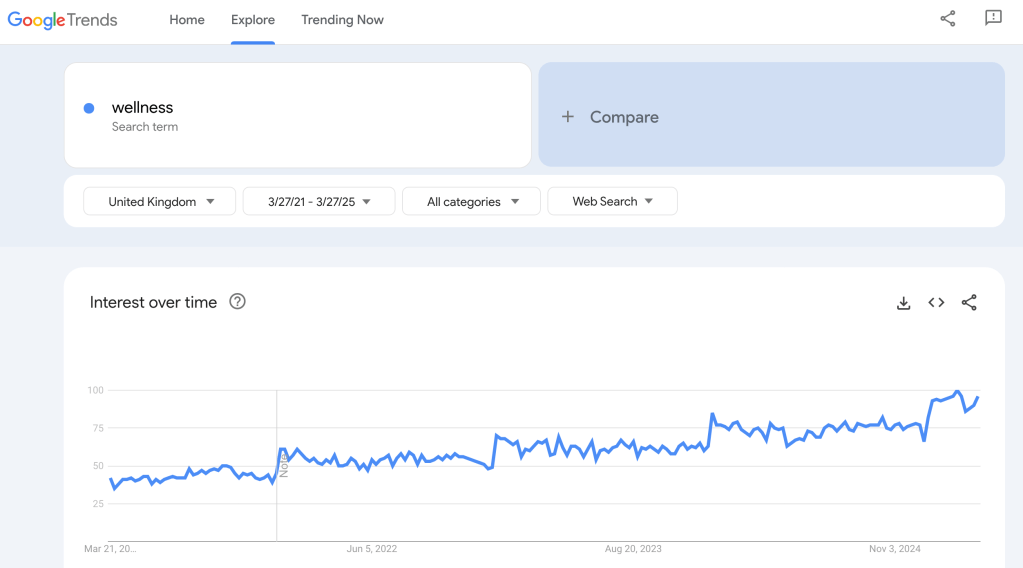
How Do You Market Health and Wellness?
Marketing in the health and wellness industry requires a combination of SEO, content marketing, and social media engagement. Here are some effective strategies to help you grow your business and reach your target audience:
- Optimise for Local SEO – Claiming and optimising your Google My Business (GMB) listing ensures your business appears in local searches and Google Maps. Include high-quality images, a detailed business description, updated contact information, and customer reviews to boost your ranking.
- Create High-Quality Content – Content marketing is key to engaging and educating your audience. Publish well-researched blogs, step-by-step guides, and informative videos on relevant health topics. For example, a wellness coach might create content on stress management, while a nutritionist could share healthy meal plans. Read here Why Wellness Companies Need Blogging To Attract New Clients.
- Leverage Social Media – Social media platforms like Instagram, TikTok, and LinkedIn are powerful tools for brand awareness and community engagement. Post informative content, host live Q&A sessions, and share client testimonials to build trust and credibility. If however you’re not a fan of social media, check out this article on 4 alternatives to social media to bring traffic to your website!
- Email Marketing – Sending valuable newsletters and special offers to your email subscribers can keep them engaged with your brand. Regular email updates with wellness tips, upcoming events, and exclusive promotions can encourage repeat business and referrals.
- Encourage Reviews and Testimonials – Positive reviews on Google, Trustpilot, and industry-specific directories not only boost your credibility but also improve your local SEO ranking. Encourage satisfied clients to leave detailed feedback about their experiences with your services.
How Is SEO Used in Healthcare?
SEO in healthcare follows the same principles as general SEO but with a stronger focus on credibility, compliance, and user trust. Since search engines prioritise authoritative and trustworthy health information, implementing SEO correctly can significantly improve visibility. Key SEO strategies for healthcare businesses include:
- Optimising for Medical Keywords – Using relevant keywords such as “chiropractor in London” or “best physiotherapist near me” helps healthcare providers appear in search results when potential patients are looking for specific treatments or practitioners.
- Improving Website Experience – While it may sounds trivial, ensuring that your website loads quickly, is mobile-friendly, and has a clear navigation structure is highly valued by Google, as it enhances the user experience. A slow or confusing website can lead to high bounce rates, which negatively affect rankings.
- Using E-A-T Principles – Google emphasises Expertise, Authoritativeness, and Trustworthiness (E-A-T) for health-related content. Ensure that all medical or wellness-related information on your site is backed by credible sources, written by experts, and regularly updated.
- Securing Your Website – Google prioritises websites that use HTTPS encryption, particularly for healthcare providers handling sensitive client data. A secure website builds trust and ensures data privacy.
How to Do an SEO Check for a Health and Wellness Business?
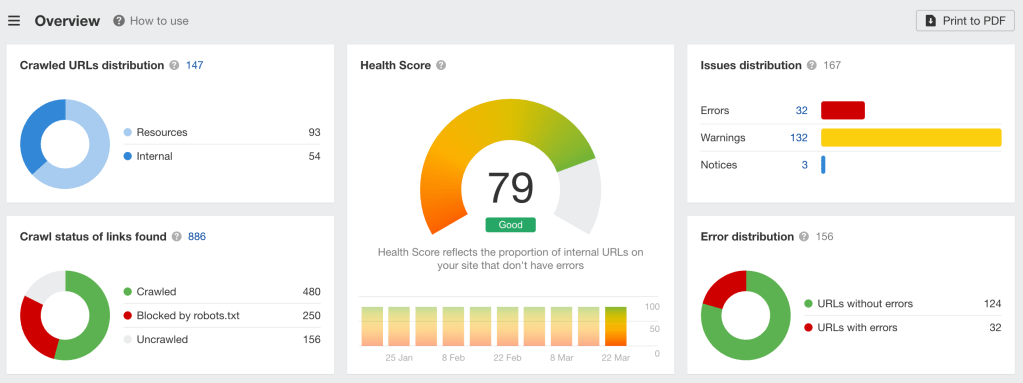
Performing an SEO audit is crucial to identify areas of improvement and ensure your website is performing at its best. Follow these steps to conduct an SEO check:
- Check Website Performance – Use tools like Google PageSpeed Insights to assess loading speed and identify any technical issues that may be slowing down your site.
- Analyse Keyword Rankings – Use platforms like Google Search Console, SEMrush, or Ahrefs to track your website’s keyword performance and discover new opportunities for ranking higher.
- Evaluate On-Page SEO – Ensure that each page on your website has properly optimised titles, meta descriptions, and headers containing relevant keywords. Optimising these elements makes it easier for search engines to understand your content. Download my free SEO Checklist and see if your next blog is ready for posting!
- Assess Mobile Friendliness – More people search for health services on their phones, so your site must be mobile-friendly. Use Google’s Mobile-Friendly Test to ensure your website adapts well to different screen sizes.
- Review Backlinks – High-quality backlinks from authoritative sites improve your domain authority, which affects your chances to rank higher in Google. Check out this article on How to Build Backlinks for Wellness Practitioners.
- Examine Local SEO – Ensure your Google My Business listing is complete, and all contact details are accurate. Consistency in business information across all directories is key to ranking well in local searches.
- Check for Duplicate Content – Google penalises duplicate content, so ensure all text on your website is unique, informative, and adds value to your audience.
How to Start SEO for Beginners?
If you’re new to SEO, start with these foundational steps to build a strong online presence:
- Conduct Keyword Research – Use free tools like Keysearch, Semrush and Ahrefs to find relevant keywords that match what your audience is searching for.
- Optimise Website Content – Naturally incorporate keywords into your pages and meta descriptions while ensuring readability and value. Create dedicated blog posts to tackle long tail keywords. Why Wellness Companies Need Blogging To Attract New Clients.
- Improve Site Structure – A well-organised website with clear menus, categories, and internal links helps both users and search engines navigate your content efficiently. You can audit this on Ahrefs.
- Set Up Google My Business – If you offer local services, setting up and maintaining an accurate GMB profile is essential for appearing in local searches.
- Create Consistent Content – Publishing regular blog posts, FAQs, and case studies keeps your website fresh and improves search rankings. If you need help with blogging, you can check out The SEO Content Engine, my signature package on my services page.
- Gain Quality Backlinks – Reach out to industry blogs, wellness directories, and trusted partners to get high-quality backlinks that improve domain authority.
- Monitor and Adjust – Regularly track your SEO performance using analytics tools, making necessary adjustments based on data insights.
Is SEO important for Health and Wellness Businesses?
SEO is an invaluable tool for health and wellness businesses looking to have a solid online presence and gain new leads beyond word of mouth. By focusing on keyword optimisation, high-quality content, local SEO, and a few technical best practices, you can attract more clients and grow your business. Whether you’re a beginner or looking to refine your SEO strategy, these steps will help you get noticed and establish credibility in the health and wellness space.

Ilaria Pellegrini is a SEO consultant and blog writer based in London, UK. With 8+ years of brand and digital marketing expertise, since 2023 she started working with wellness and coaching businesses to strengthen their online visibility and increase their chances of discoverability through SEO. https://www.maars.marketing
 maars marketing